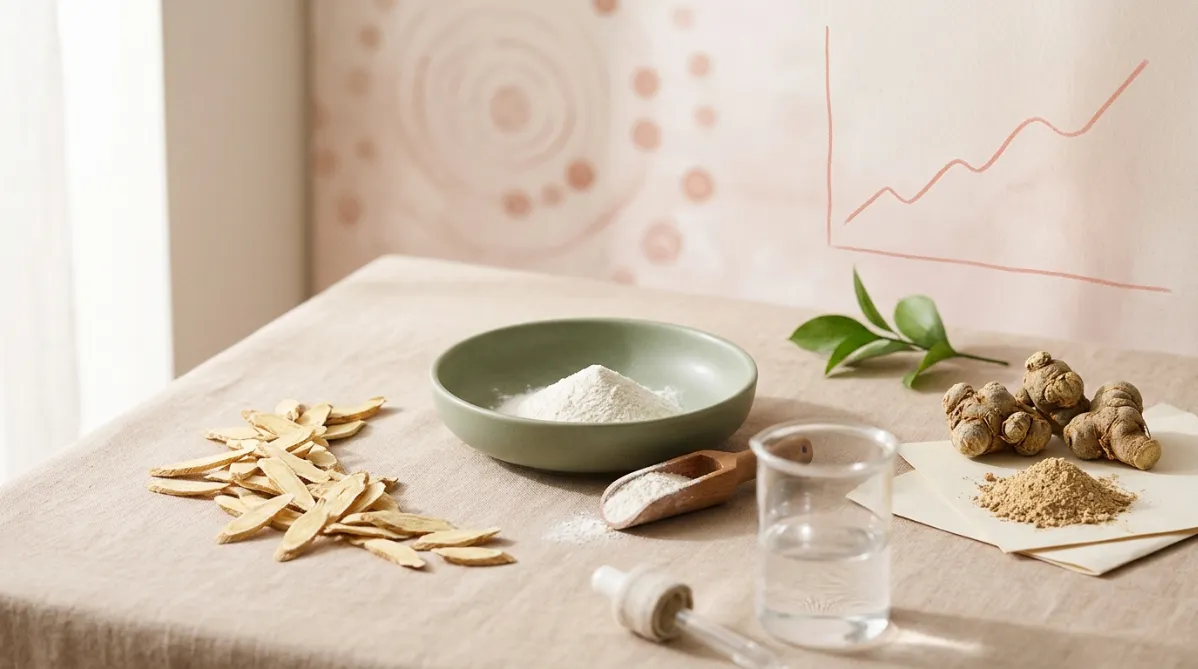
The Add-On That Boosted Arginine Absorption 17% in a Small Trial
A 2023 crossover trial found that pairing 5 g of arginine with Astragalus and Panax notoginseng saponins raised arginine absorption by 17.3% and lifted the arginine-to-ADMA ratio by 167.1%. Urinary nitrate and cGMP, two nitric oxide markers, also rose. But only 24 people were analysed after six were excluded for large individual differences, and nobody measured workout performance. Here's what the data show, what they don't, and who should think twice.
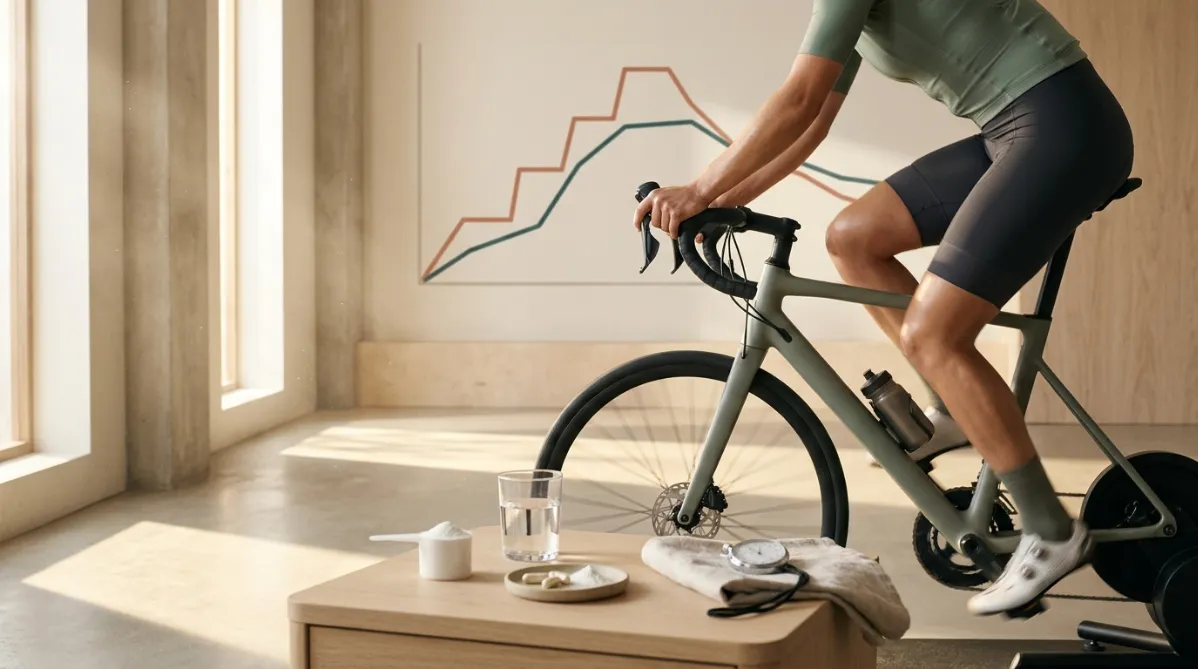
This Carnitine Form Lifted Sprint Power Up to 15% and Cut Lactate
A 2009 crossover study found that a single 4.5 g dose of glycine propionyl-L-carnitine (GPLC) lifted peak and mean sprint power by 2.6% to 15% across five all-out cycling bouts. Blood lactate was also 16.2% lower 14 minutes after exercise. But the "15%" is the top of a range, not an average, and the study involved just 24 men in one lab. This article breaks down how GPLC differs from regular L-carnitine and ALCAR, where the nitric oxide theory fits, and who might actually benefit. It also covers dose, timing and the limits of the evidence.
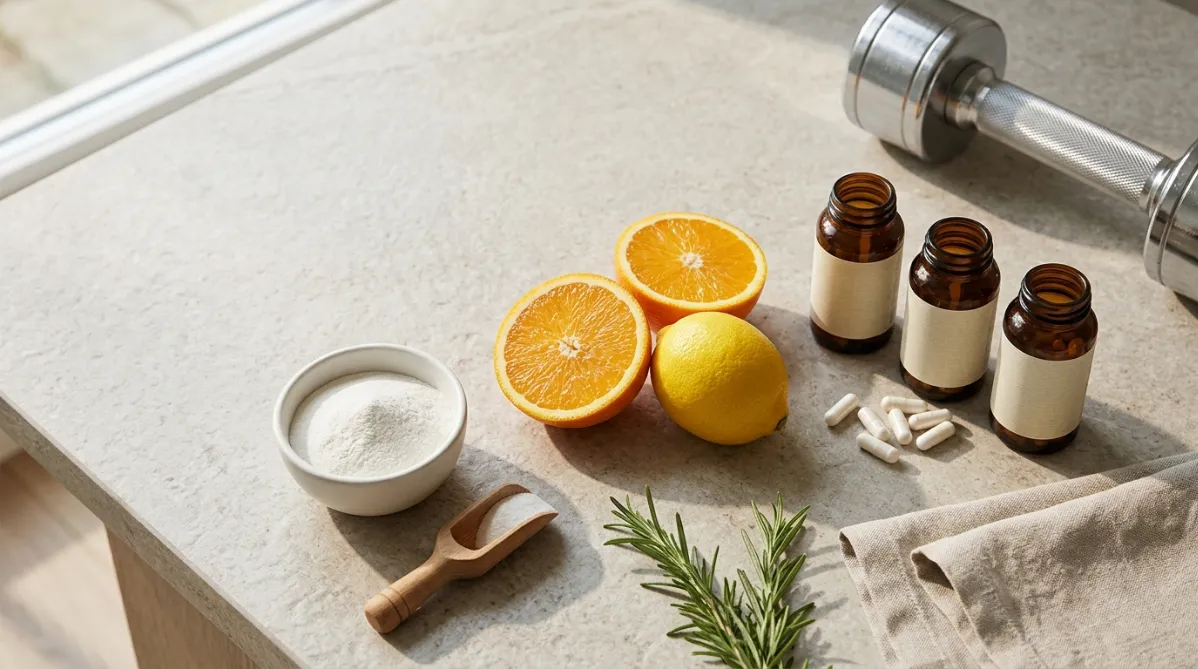
3 g Arginine + 500 mg Vitamin C: Testosterone Up 26% in Lifters
Arginine has long been written off as an overhyped nitric oxide booster, but a new randomized trial adds a twist: pair it with vitamin C. In 50 male bodybuilders, 3 g of arginine (split into three doses) plus 500 mg of vitamin C for 45 days significantly raised testosterone and VO2max versus placebo, and body fat dropped. Growth hormone, cortisol and nitrogen balance did not significantly differ between groups. It's a cheap stack worth watching, but it comes from one small trial, and higher testosterone doesn't guarantee more muscle.
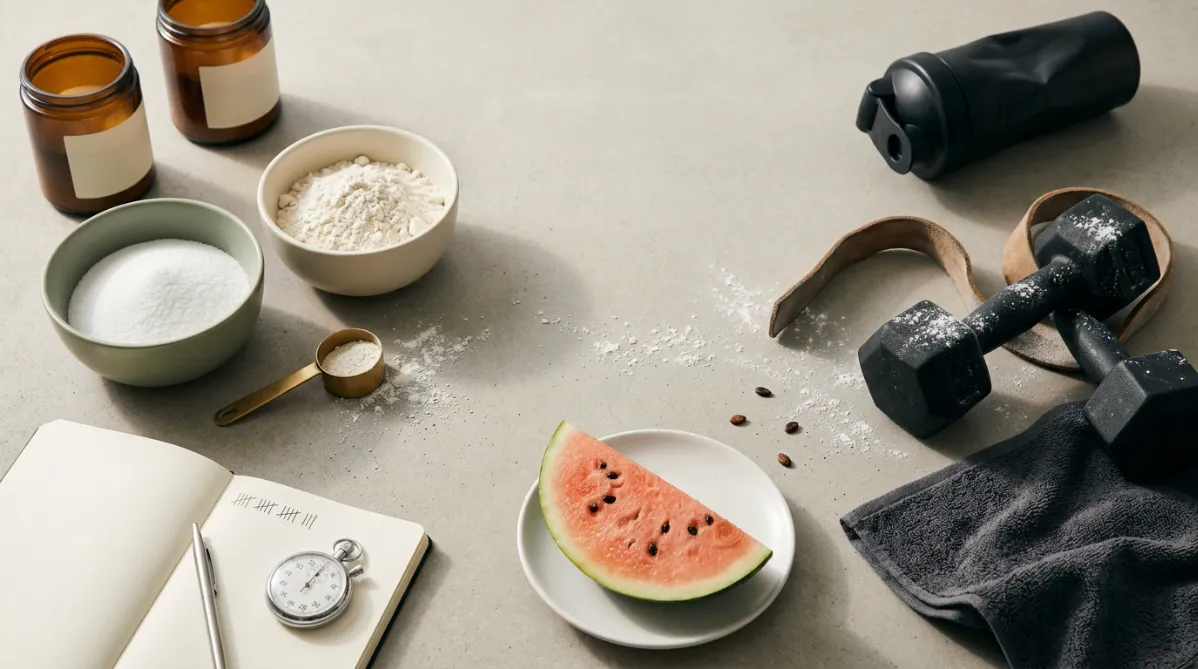
L-Citrulline vs Citrulline Malate: The Upper-Body Endurance Twist
Everyone argues over whether plain L-citrulline or citrulline malate is the better buy, but a new six-week trial found something more interesting. Both forms beat placebo for upper-body reps to failure, and both raised nitric oxide metabolite responses. The catch: neither form improved 1RM strength, and the leg results were only a trend. With just 33 trained men in the study, this is a promising signal rather than a verdict. Here's what the doses, timing questions, and fine print mean for your training.
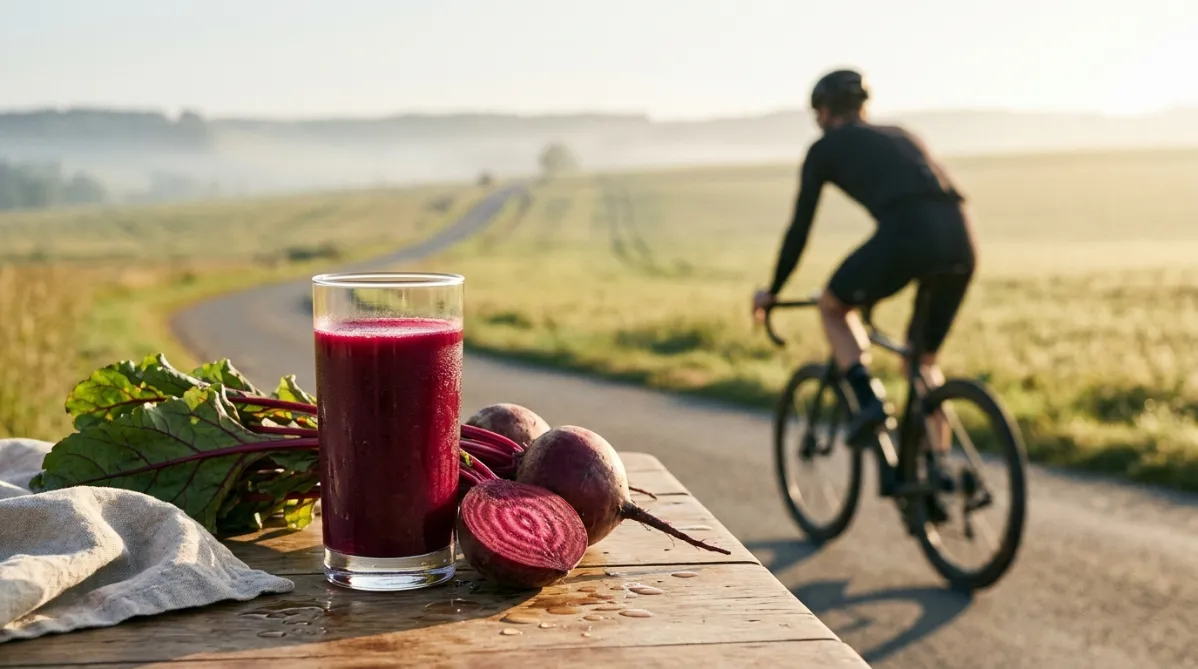
Beetroot Juice Before a Time Trial: How 0.5 L Cut 4-km and 16.1-km Cycling Times by Nearly 3%
A small but influential 2011 crossover trial tested whether a single drink of beetroot juice could speed up real cycling time trials. Nine competitive male cyclists drank 0.5 L of nitrate-rich juice (about 6.2 mmol nitrate) roughly 2.5 hours before racing. Plasma nitrite more than doubled, mean power rose, and 4-km and 16.1-km times improved by 2.8% and 2.7%. Crucially, oxygen uptake stayed the same, pointing to better cycling economy rather than a bigger aerobic engine. Here is the protocol, the numbers, and the limits of what the data can tell us.